
Build an approval‑ready credit profile
Understand what’s driving your credit decisions, identify items that may be unfair or inaccurate, and take a structured next step toward stronger approvals and better terms.
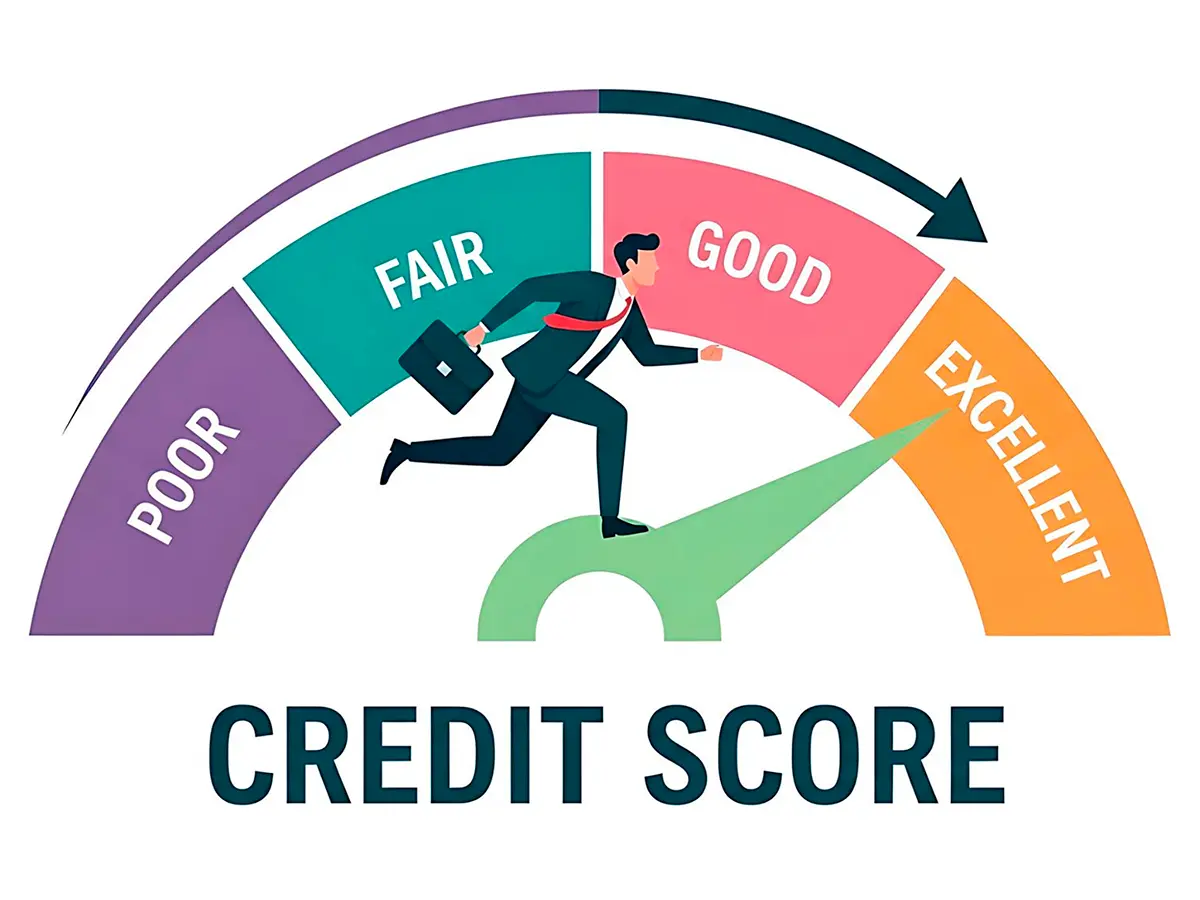
Built around established U.S. credit reporting practices and dispute procedures under the Fair Credit Reporting Act (FCRA). No unrealistic promises—just clarity, documentation, and structured credit improvement.
Unlock more options
Choose the outcome you care about. We’ll outline what improves it—and what to watch for—so you can move forward with confidence.
Your path to stronger credit
A stronger credit profile can mean better approval odds, improved loan terms, and more financial flexibility. Get a clear, no-fluff overview of what credit improvement can help you achieve — then take the next step when you're ready.
Credit decisions in the U.S. are typically influenced by payment history, utilization ratios, account age, recent inquiries, and the accuracy of reporting across major credit bureaus.
Even small inconsistencies can affect lending algorithms. A structured credit improvement approach focuses on verified data, responsible usage patterns, and consistent financial behavior.
*Results vary. This page does not guarantee outcomes.
How it works
A straightforward workflow used by reputable credit‑support programs: review, challenge what’s questionable, and build stronger habits while updates are processed.

Review your starting point
Clarify your goal and look at what’s currently affecting approvals and terms.

Identify what can be challenged
See what information is typically needed, what to expect next, and how the workflow usually looks.

Move forward
Continue to explore available options and take the next step toward better credit outcomes.
credit report dispute steps that actually move the needle
Why a dispute matters
I'm not chasing perfection; I'm chasing accurate results. A well-aimed credit report dispute can remove a wrong late payment, fix a balance, or delete a bogus collection. Investigations usually wrap in about 30 days, and the bureaus must share what changed. Not magic - just process. (I side-eye any promise of instant 100-point jumps.)
How I started my first dispute
I pulled all three reports, lined them up, and circled anything that didn't match my records: a balance off by a few hundred, a card I closed still marked "open," and one suspicious collection. I only picked the items I could prove - because selection decides outcome.
Quick checklist
- Gather evidence: statements, payoff letters, emails, screenshots, bank confirmations.
- Mark the exact error on each bureau's report (Experian, Equifax, TransUnion).
- Ask the furnisher (the lender/collector) to correct in writing.
- File the dispute with each bureau showing the error. Attach proof.
- Track dates; the clock matters. Note file numbers and mail receipts.
- Read results; if "verified," compare their claim to your documents, then escalate if needed.
What to dispute (and what to skip)
Best targets are items with objective proof. I avoid shotgun disputing; flooding everything makes the good claims look weak. Aim for clean hits that force a clear correction.
- Wrong balance or credit limit affecting utilization.
- Duplicate accounts after a transfer or sale.
- Accounts that aren't yours (identity mix-ups happen).
- Late payment reported for a month you paid on time.
- Negative marks older than reporting limits (often seven years).
Writing the dispute that gets read
Short, factual, and traceable wins. I use a simple frame: "I'm disputing Account X on my report for [bureau]. The balance/late status is inaccurate. See attached statements from May - July showing on-time payments and a zero balance on 7/28. Please correct to 'paid as agreed' and update the balance to $0." No speeches, just receipts.
After you send it
The bureau asks the furnisher to verify. You'll get results: corrected, deleted, or verified. If verified but wrong, reply with stronger evidence or file with the CFPB and include timelines. You can also add a brief consumer statement, but I only do this if the fix will take time and I'm mid-application.
A small real-world win
During a mortgage preapproval, I spotted a $78 medical collection I'd already resolved. I paused the application, disputed with the receipt, and waited. Forty days later: deleted. My score nudged up 34 points - enough to qualify for a better rate.
Common snags and fixes
- "Verified" but still wrong: Resend with itemized proof (dates, amounts, copies). Ask the furnisher for an account-level investigation.
- Debt buyer confusion: Request validation and the chain of title; duplicates should be removed.
- Mixed file (someone else's data): Provide ID, proof of address, and highlight non-matching SSN digits or employers.
- Identity theft: File an FTC report, consider a police report, and place a fraud alert or freeze.
- Late payment disputes: Bank confirmation of posting date beats general "I paid" claims.
Pick the fights you can document, keep every scrap of paper, and let the process work. Careful selection brings real results; patience locks them in.
To submit a dispute to a credit reporting company, contact the credit reporting company who has the inaccurate information on your credit report. You may submit ...
You can dispute your credit information or update personal information on our credit report in three ways.
Step 1- Dispute the debt with both the creditor and the consumer reporting agency (CRA). Disputing a debt directly with the creditor may resolve the issue, but ...
Frequently asked questions
A clear next step — without the guesswork
See what’s impacting approvals and what may deserve a closer look.
Understand how disputes are structured and what documentation matters.
Improve utilization, consistency, and long-term credit stability.
See what improving your credit could change
Take a structured next step based on your current profile — and decide with clarity.